

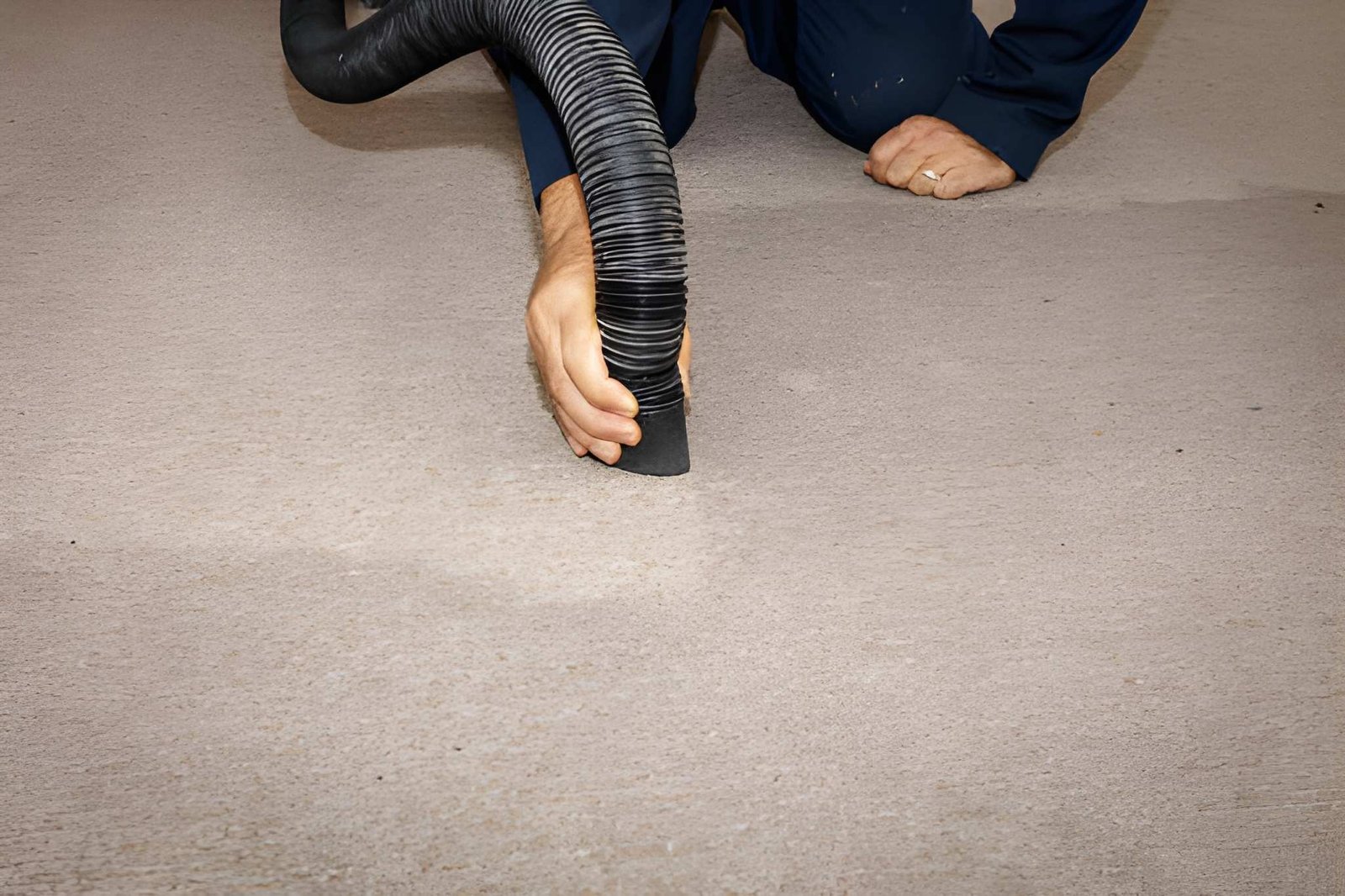
A supply line lets go overnight and you wake to a squishy, soaked carpet. The first question is simple: can it be saved? In San Diego homes, the answer depends on the water and the clock. Acting fast tilts the odds toward saving it.
Key Takeaways
- ›Whether carpet can be saved depends on the water type and how long it stayed wet.
- ›Clean-water carpet dried within a day or two is often saveable.
- ›The padding underneath almost always gets replaced.
- ›Contaminated or moldy carpet should be removed, not saved.
It Depends on the Water
Clean Water
Clean water comes from a supply line or a rain leak. Carpet soaked by it can often be saved. The key is drying it fast and fully. Clean water gives you the best odds.
Gray Water
Gray water comes from appliances like a dishwasher or washer. It carries some contaminants and a moderate risk. Carpet may be salvageable if cleaned and dried quickly. The padding usually goes.
Black Water
Black water means sewage or flood water. It carries bacteria and other hazards. Carpet soaked by it should be removed, not cleaned. Health comes before saving the material.
The 24 to 48 Hour Window
Time decides as much as water type. Wet carpet is a breeding ground for mold.
The EPA notes that mold can grow within 24 to 48 hours on damp material. Drying or removing the carpet inside that window is the goal.
The Padding Almost Always Goes
The pad under the carpet acts like a sponge. It holds water long after the carpet feels dry. Trapped moisture there feeds mold from below. Replacing the pad is usually cheaper than the risk.
How Pros Dry a Saveable Carpet
Saving carpet is more than aiming a fan at it. Crews extract the water, then float the carpet to dry both sides.
Working to IICRC water-damage standards, they dry the pad or replace it and disinfect the floor. Then the carpet is re-stretched and reinstalled.
Signs the Carpet Is Beyond Saving
Some carpet is not worth the effort to save. Look for delamination, where the backing separates. A lingering musty odor points to mold. Contaminated water or a long soak usually settles it.
The San Diego Humidity Factor
Coastal air keeps San Diego homes humid. That moisture slows drying and helps mold along. A carpet that might dry fast inland can struggle here. Fast professional drying matters even more near the coast.
Save or Replace? Making the Call
The decision balances water type, time, and cost. Clean water caught early leans toward saving.
A water damage restoration team in San Diego can test the moisture and advise honestly. Vista Flood dries what can be saved and removes what cannot.
Why the Pad Matters So Much
The visible carpet is only half the system. The pad beneath stores water and hides it. A dry-feeling carpet can sit on a soaked pad. That is why pros check underneath, not just on top.
The Float-Drying Technique
Pros lift the carpet edge and push air beneath it. This floats the carpet so both sides dry. It reaches the backing that a surface fan misses. Float drying can save carpet that looks doomed.
Delamination Explained
Carpet has a backing glued to the fibers. Prolonged soaking can separate those layers. That is delamination, and it ruins the carpet. Once it happens, replacement is the only fix.
Odor Is a Warning Sign
A musty smell after drying is a red flag. It usually means moisture or mold remains. Cleaning the surface will not remove it. That odor often decides the save-or-replace question.
Disinfecting After a Clean-Water Soak
Even clean water leaves the floor needing treatment. Damp fibers grow bacteria over a day or two. An antimicrobial treatment resets the surface. It is a standard step in saving carpet.
When Speed Changes the Outcome
A carpet dried in hours often survives. The same carpet wet for days usually does not. The window between is where decisions are made. Fast action expands your options.
Area Rugs Versus Wall-to-Wall
A soaked area rug can be moved and dried flat. Wall-to-wall carpet must dry in place. The pad and tack strip complicate the job. Each type has its own drying approach.
The Cost Comparison
Drying and re-stretching often costs less than new carpet. But a ruined pad and cleanup add up. A pro can price both paths for you. The numbers help settle the decision.
Protecting Furniture on Wet Carpet
Furniture legs stain and bleed onto wet carpet. Wood and metal can leave marks that do not lift. Lift or block furniture off the wet area. That small step avoids a second problem.
Insurance and Carpet Claims
Document the source and the damage right away. Photograph the wet carpet and the water line. Keep receipts for drying and replacement. Records support a smoother claim.
The Subfloor Underneath
Water that soaks a carpet reaches the subfloor. Wood swells and concrete stays damp. Both need drying before new carpet goes down. Skipping that traps moisture under the new floor.
Preventing the Next Soak
Most carpet floods trace to a known source. Check supply lines and appliance hoses now and then. A water sensor near a risk spot helps. Prevention beats another round of drying.
Why a Pro Assessment Helps
Guessing wrong is costly either way. Saving a ruined carpet risks mold later. Tossing a saveable one wastes money. A moisture reading turns the guess into a decision.
Frequently Asked Questions
1.Should carpet be replaced after water damage?
2.Can wet carpet be saved?
3.How long can carpet stay wet before it is ruined?
4.Does insurance cover carpet water damage?
Soaked Carpet? Decide Fast
A wet carpet does not wait; every hour raises the mold risk. A quick, honest assessment saves what can be saved. Vista Flood helps San Diego homeowners dry, clean, or replace water-damaged carpet. Reach us through our contact page for a fast response.
