

When Smoke Rolls Down From the Cleveland National Forest, Vista Flood Restoration Delivers Fire Damage Restoration in Alpine, CA
Immediate Response | At Your Site in 39 Minutes or Less | We Bill Your Insurance
The flames are out, but the smell has settled into everything you own. Soot has worked into closets, ductwork, and the attic above your bedrooms. Alpine homes take smoke differently than houses down the hill, because the fire usually arrives from open country. Vista Flood Restoration runs the I-8 corridor out of San Diego to sort what stays from what goes.
We Are Here to Help
Fill up the form to get started
Alpine Sits Where the Suburbs Stop and the Backcountry Starts
Alpine is unincorporated San Diego County, strung along the I-8 corridor between the coastal suburbs and the Cleveland National Forest. That position is the whole story for fire risk here. Homes back onto chaparral and open forest rather than onto other homes. A fire front can reach a property line without touching a neighbor’s roof.
The housing stock is largely owner-occupied and long-held. Census figures put Alpine at 14,696 residents across 5,414 households, with 73.9 percent of homes owner-occupied. Median owner-occupied value sits at $864,000. Most losses here involve a long-held primary residence, not a rental turnover.
Properties tend to sprawl. Lots along Tavern Road and West Willows Road carry detached garages, workshops, barns, and equipment sheds. Each one is a separate smoke and ember target. Many parcels sit on well and propane rather than city utilities. A fire can take out systems a suburban crew never considers.
Fire protection comes from the Alpine Fire Protection District. It often works in unified command with CAL FIRE San Diego and the Cleveland National Forest. San Diego County agencies push evacuation notices through the Genasys Protect app. Alpine residents often leave early and come back to an intact house. That house is still full of smoke.
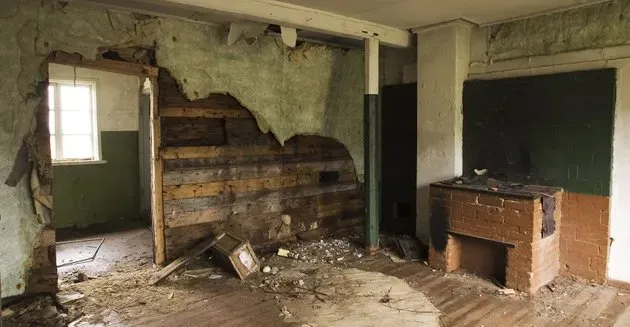
What the Fire Record Around Alpine Actually Shows
The numbers below come from CAL FIRE incident records, the US Census, and the US Fire Administration.
- The West Fire started off I-8 and West Willows Road in July 2018. It burned 504 acres and destroyed 48 structures¹. Unified command included CAL FIRE San Diego, the Alpine Fire District, and the Cleveland National Forest.
- The 2003 Cedar Fire burned 273,246 acres across San Diego County². Older Alpine residents still measure every fire season against it.
- Alpine holds 5,414 households, 73.9 percent of them owner-occupied³. Median owner-occupied value is $864,000.
- Nationally there were 344,600 residential building fires in 2023⁴. Direct dollar loss reached $11.27 billion.
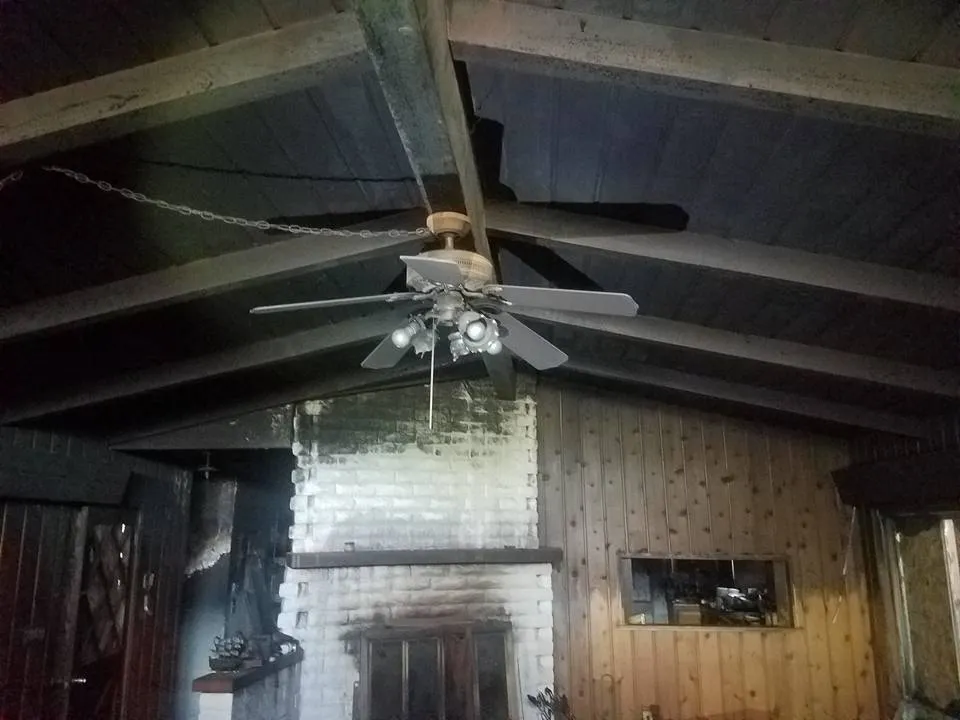
Smoke Keeps Working After the Trucks Leave
Soot is acidic, and it etches metal, stone, and finished wood while a claim is still being opened. Every day it sits, more of the house moves from cleanable to replaceable. Getting eyes on the property early is what keeps an Alpine fire loss from turning into a gut and rebuild.
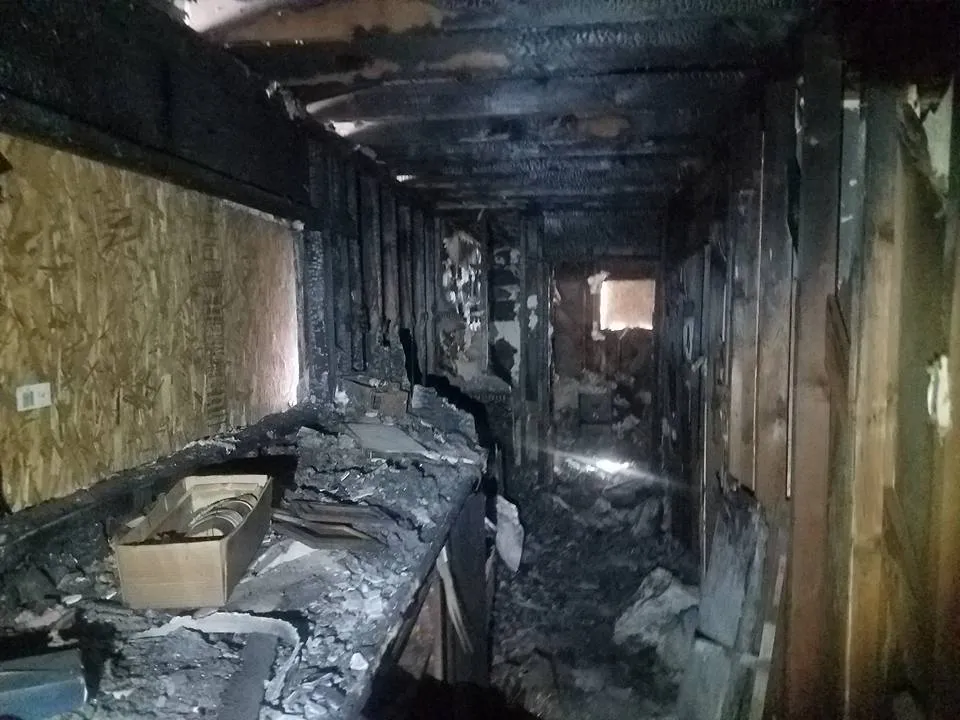

24-Hour Emergency Fire Damage Restoration
How We Work an Alpine Fire Loss
Access and utilities drive the plan on a backcountry parcel. Before anything else we work out how to get equipment in and what services the property actually has.
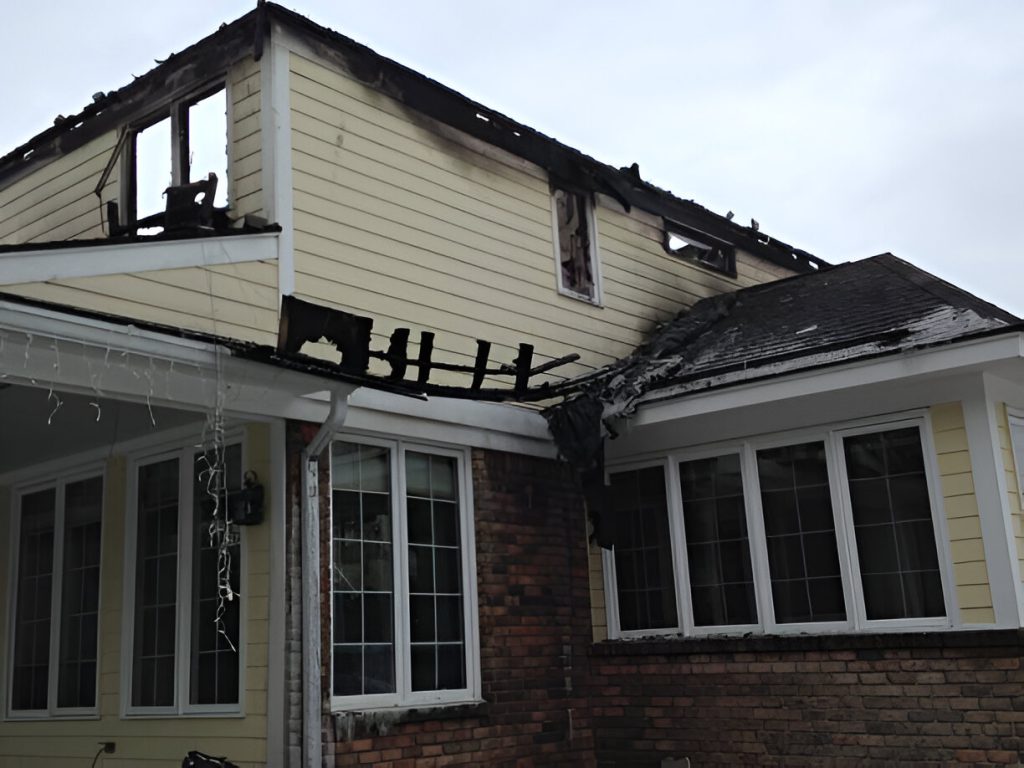
Getting Equipment Onto the Parcel
Alpine lots run long, and driveways off Tavern Road and West Willows Road are often single-lane with a grade. We size the truck and staging area to the driveway before the crew leaves San Diego. A parcel that needs a shuttle from the road changes the whole labor plan for the day.
Working Without City Water or Sewer
Many Alpine properties run on well and propane instead of utility service. Cleaning volumes have to be planned around a well's recovery rate rather than a hydrant. We bring our own water and containment when a property cannot supply it.
Splitting the Residence From the Outbuildings
Workshops, barns, and detached garages hold feed, tack, timber, and tools that soak up smoke. Left alone they push odor back into a finished house every time a door opens. We price and schedule them as their own structures.

Building the File San Diego County Will Accept
Alpine is unincorporated, so a rebuild is reviewed by the county rather than a city counter. We document moisture readings, photos, and scope while that review sits in the queue. The paperwork is what keeps the permit window from becoming dead time.
From sudden pipe bursts to fire and mold — we're here to restore peace of mind.
Our Trusted Results
See What our clients are saying
Signs an Alpine Home Needs Fire and Smoke Work
Most Alpine calls do not come from a burned building. They come from a house that stood through the fire and now will not stop smelling like it.
You Came Back From an Evacuation to an Intact House
San Diego County pushes evacuation notices through the Genasys Protect app, so Alpine families often leave early. The house sits closed for days while smoke works through the vents. Coming home to an intact building and a heavy smell is the most common version of this job.
Ash Sits in the Attic, Not the Living Room
Insulation catches what the vents pull in, so the attic reads far dirtier than the finished rooms. Homeowners rarely look there, which is why the odor source goes unfound for weeks.
The Well House or Propane Set Took Heat
Parcels off utility service carry equipment that a suburban loss never involves. Scorching around a well house or propane set changes both the safety scope and the insurance conversation.
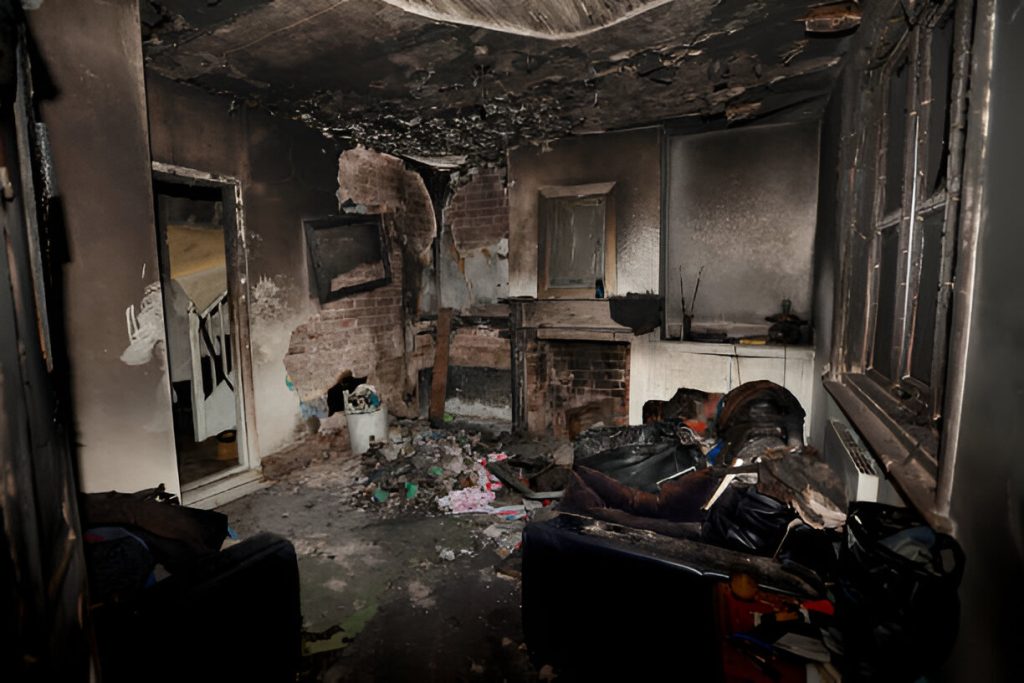
Fence Lines, Decks, and Shed Roofs Show Scorch
Ember cast lands on horizontal surfaces before it touches siding. On Tavern Road properties these are often the only things that actually ignited, and they still carry odor toward the house.
The Barn Smells Worse Than the House
Outbuildings hold feed, tack, timber, and equipment that absorb smoke deeply. If the workshop smells stronger than the kitchen, the odor will keep migrating back indoors until it is addressed.


Why Alpine Homeowners Call Vista Flood Restoration
Plenty of companies will drive out to Alpine. Fewer have worked enough backcountry properties to know what is different about them.
Crews That Already Run the I-8 Corridor
Alpine is a regular route for our teams, not an outlying job we take occasionally. Knowing the corridor means equipment and containment arrive in one trip rather than three.
Smoke Work Scoped for Backcountry Parcels
A property with a barn, a workshop, and a well house is a different job from a condo with a stovetop fire. We scope the outbuildings and mechanical systems into the plan from the start. Otherwise odor migrates back into a finished house.
The Same Alpine Streets We Already Dry Out
We handle water losses across Alpine, which means our crews already know the housing stock, the access roads, and the crawl spaces. Fire work leans on the same drying and documentation discipline once firefighting water is in the structure.
One Team From Alpine Cleanup Through Rebuild
We carry a job from soot removal into reconstruction rather than handing you off at the halfway point. That continuity matters on a county permit timeline, where a gap between contractors can add weeks.
Where We Work Around Alpine
Alpine spreads across ridges, canyons, and frontage roads rather than tidy blocks. The fire exposure changes noticeably from one pocket to the next.
- Tavern Road corridor. This is the spine of the community and where the Alpine Fire Protection District is based. Properties here mix older ranch homes with newer builds, and most carry detached structures that need their own smoke scope.
- West Willows Road. The 2018 West Fire started off I-8 near here and destroyed 48 structures. Homes on the slopes above the road tend to take attic and vent loading rather than direct flame contact.
- The Viejas side. Parcels toward Viejas sit hard against open country, which is why the Alpine and Viejas communities share a fire safe council. Ember cast onto decks and roofs is the dominant pattern on this edge.
- I-8 frontage properties. Access is quick here, but these lots catch wind-driven smoke funneled along the corridor. Even homes well away from a fire line can end up with heavy interior odor.
- Forest-boundary parcels. Lots that back directly onto the Cleveland National Forest have no buffer of other buildings. These are the properties where we most often find contamination through vents rather than through a burned room.
Alpine Fire and Smoke Damage Questions
These are the questions Alpine homeowners ask most after a fire. The dollar figures below are national ranges, and a walkthrough is what turns them into a real number.
We evacuated and the house did not burn. Why does it still smell?
That is the most common Alpine call we get. A house that stood can still hold heavy soot in the attic, ducts, and insulation. That contamination does not air out on its own.
What does fire damage restoration cost?
Nationally, professional fire remediation and restoration runs between $20,470 and $27,477. Smaller cleaning work runs $4 to $7 per square foot, and a minor contained fire often lands between $800 and $3,000. Smoke spread and firefighting water usually drive the number more than the flames did.
How long does the work take on an Alpine property?
Projects run from two weeks to twelve months depending on scale. A small contained fire affecting one room is typically two to four weeks. On Alpine rebuilds, San Diego County permitting is often the longest single item in the schedule.
Can anything be saved after a backcountry fire?
Usually yes, and more than people expect. Hard contents, metal, and many textiles clean up well when treated before soot has weeks to etch. What gets lost is normally porous material that sat in odor too long.
What is the difference between remediation and restoration?
Remediation is the removal work: soot, contaminated material, and odor. Restoration is putting the structure back, from finishes through reconstruction. A backcountry loss almost always needs both, because the two scopes overlap.
GET A FREE ESTIMATE
BY FILLING OUT THE FORM BELOW

How can we help you?
We Know Alpine Homes and What Smoke Does to Them
We have worked enough properties along this stretch of the I-8 corridor to know the pattern. Ash through the attic vents on a forest-boundary lot is familiar. So is odor cycling out of the ductwork on Tavern Road. So is a shed that caught ember and took the fence with it. We know how these houses are built, how the smoke moves through them, and how the county handles the rebuild.
Start with a walkthrough of the property. Request an estimate or get in touch with our team. We will tell you what is actually contaminated and what is fine.
See also: Water damage restoration in Alpine and every area we serve across San Diego County.

