

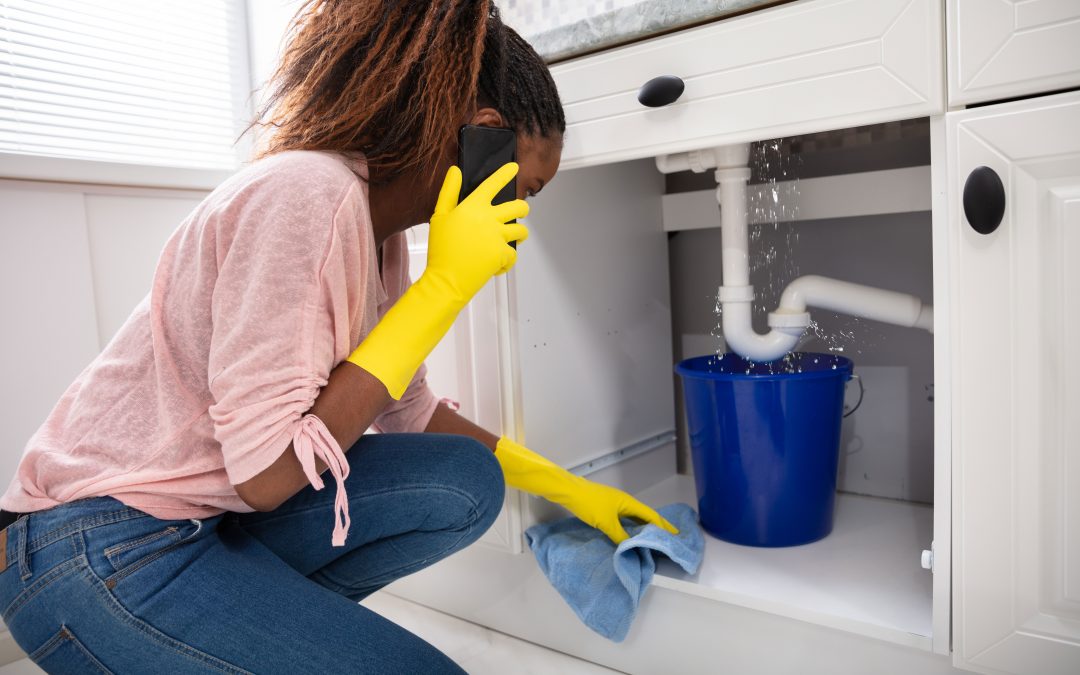
Most San Diego homeowners do not worry about water damage the way Midwesterners worry about basement floods. The local climate is dry, hurricanes do not happen, and most homes are slab-on-grade. The result is that when water damage does occur in San Diego, it almost always comes from a hidden source – usually a slab leak or a slow drip behind a wall – and homeowners discover it months too late. By then the structural and mold consequences are far more expensive than a visible flood would have been. This guide explains why San Diego homes are particularly vulnerable to hidden moisture, the early warning signs, and what professional restoration looks like.
Key Takeaways
- ›San Diego soil shifts subtly with seasonal rainfall, stressing the copper supply lines under your slab and causing pinhole leaks.
- ›Hidden moisture inside walls or under flooring colonizes mold within 48-72 hours, often invisible until you smell it weeks later.
- ›Coastal humidity prolongs drying time and increases the chance of secondary mold even after the leak is fixed.
What a Slab Leak Actually Is
A slab leak is a leak in the water supply lines that run under your concrete foundation. Most San Diego homes built before 2000 have copper supply lines embedded in or beneath the slab. Over decades, the copper develops pinhole leaks from a combination of soil chemistry, electrolysis, and the small movements that come from soil expansion and contraction. The leak itself may be small – a drip of a few cups per day – but the water has nowhere to go except into the slab and up into the home.
Why San Diego Homes Are Particularly Vulnerable
Soil Movement
San Diego soils, especially in coastal and inland-mesa neighborhoods, contract during the dry summer and expand when the winter rains arrive. The seasonal stress on slab plumbing is small but cumulative. After 30-50 years, copper that was installed perfectly in 1985 starts to leak.
Coastal Humidity
Marine layer fog and sustained 60-75 percent relative humidity through the night make drying slower than in inland areas. Once moisture gets behind a wall in La Jolla, Pacific Beach, or Coronado, drying can take 2-3 days longer than the same job in El Cajon.
Slab Construction
Per the FEMA coastal construction guidance, slab-on-grade construction is the most common foundation type in coastal Southern California. The advantage is earthquake resilience. The downside is that water intrusion has only one direction to go: up into the living space.
The Six Signs of a Slab Leak
1. Hot Spot on the Floor
If the leak is on the hot supply line, you will feel a noticeably warm patch of floor or tile. This is the most reliable single indicator. Walk the home barefoot in the morning before the AC has equalized temperatures.
2. Sound of Running Water When Nothing is On
Turn off all faucets, dishwasher, ice maker, and irrigation. If you can still hear water running in the walls or under the floor, the leak is active.
3. Mysteriously High Water Bill
San Diego water rates are steep, and a sudden 30-50 percent increase in monthly cost without any change in habits points to a leak. Check the water meter dial when nothing is running – if it spins, water is flowing somewhere.
4. Cracks in the Slab or Tile
Hairline cracks that grow over weeks or months indicate the slab is being undermined by water. Tile that becomes loose underfoot is a downstream symptom.
5. Damp Spots on Carpet or Flooring
Persistent moisture wicks up through the slab. You may notice cold or damp areas in carpet that never quite dry, or vinyl plank flooring that buckles at one section.
6. Musty Smell Without Visible Mold
Hidden moisture grows mold in wall cavities and under flooring before you ever see a spot. If a specific room smells musty, especially in mornings or after the AC has been off, hidden moisture is the likely cause.
Other Hidden Moisture Sources in San Diego Homes
- Stucco failures from lack of weep screed or old caulking around windows – common in 1970s-1990s San Diego construction.
- Shower pan leaks – the second most common hidden source, often visible only as ceiling staining in the room below.
- Refrigerator water line – small drips behind the fridge that go unnoticed for years.
- Toilet wax ring failure – water leaking under the floor flange, slowly rotting the subfloor.
- AC condensate line clogs – water backing up into the air handler closet.
Why Hidden Moisture is More Damaging Than a Visible Flood
A visible flood gets attention immediately and is dried within days. Hidden moisture is detected weeks or months later, by which point: (1) mold has colonized at scale, (2) drywall and framing have absorbed moisture deeply, (3) flooring substrates are warped, (4) insulation has lost R-value and become a moisture reservoir. Restoration cost differential is typically 3-5x what an equivalent visible flood would cost.
What Professional Restoration Involves
After the leak source is fixed (a plumber’s job), the restoration crew uses thermal imaging cameras and pinpoint moisture meters to map the actual extent of moisture inside walls and under flooring. They set up containment if mold is visible, remove unsalvageable materials following IICRC S500 and S520 standards, and use commercial dehumidifiers and air movers to dry remaining structure to documented moisture targets. The work is not done until moisture readings match unaffected reference areas.
Frequently Asked Questions
1.How much does slab leak detection cost in San Diego?
2.Will my insurance cover slab leak damage?
3.How long does slab leak restoration take?
4.Can I just patch the slab and ignore the moisture?
5.How can I prevent slab leaks?
Working with a San Diego Restoration Specialist
Vista Flood Restoration handles water damage restoration across San Diego County with thermal imaging detection, IICRC-certified drying, and direct billing to all major California insurance carriers. Hidden moisture is the most common San Diego restoration scenario – and the fastest way to keep a small leak from becoming a $20,000 reconstruction is to involve a restoration crew the moment you notice signs.
