

San Diego’s mild, humid coastal air is great for life outside. Inside a home after a leak, that same moisture helps mold take hold faster than many homeowners expect.
This guide covers what happens after the water: how quickly mold grows, the signs to watch for, whether it is dangerous, how it is removed, and how to keep it from returning in a coastal climate.
Key Takeaways
- ›Mold can start growing 24 to 48 hours after water exposure, and humid coastal air speeds it along.
- ›A musty smell, dark spots, and warped or peeling paint are early signs mold has settled in.
- ›Surface mold can be cleaned, but hidden or spreading mold needs a professional and a fix for the moisture source.
What Conditions Cause Mold Growth After Water Damage
Mold needs three conditions to grow: moisture, an organic food source, and time. Water damage delivers all three. Drywall, wood, carpet, and insulation all become food once they get wet. In a San Diego home, a slow leak or a flooded room stays damp long enough for mold to settle in. Removing the water you can see is only half the job. The moisture trapped behind walls and under floors is what keeps mold fed.
How Coastal Humidity Speeds Mold Growth
Mold can begin growing within 24 to 48 hours of water exposure. San Diego’s coastal humidity shortens that window further by keeping indoor air and materials damp. Mold does not always show right away; it can take around 12 days for spores to colonize and up to 21 days before it is clearly visible. Near the coast, where things dry slowly, that hidden phase is exactly when mold spreads. Acting in the first day or two is what keeps a small problem contained.
Signs of Mold After Water Damage
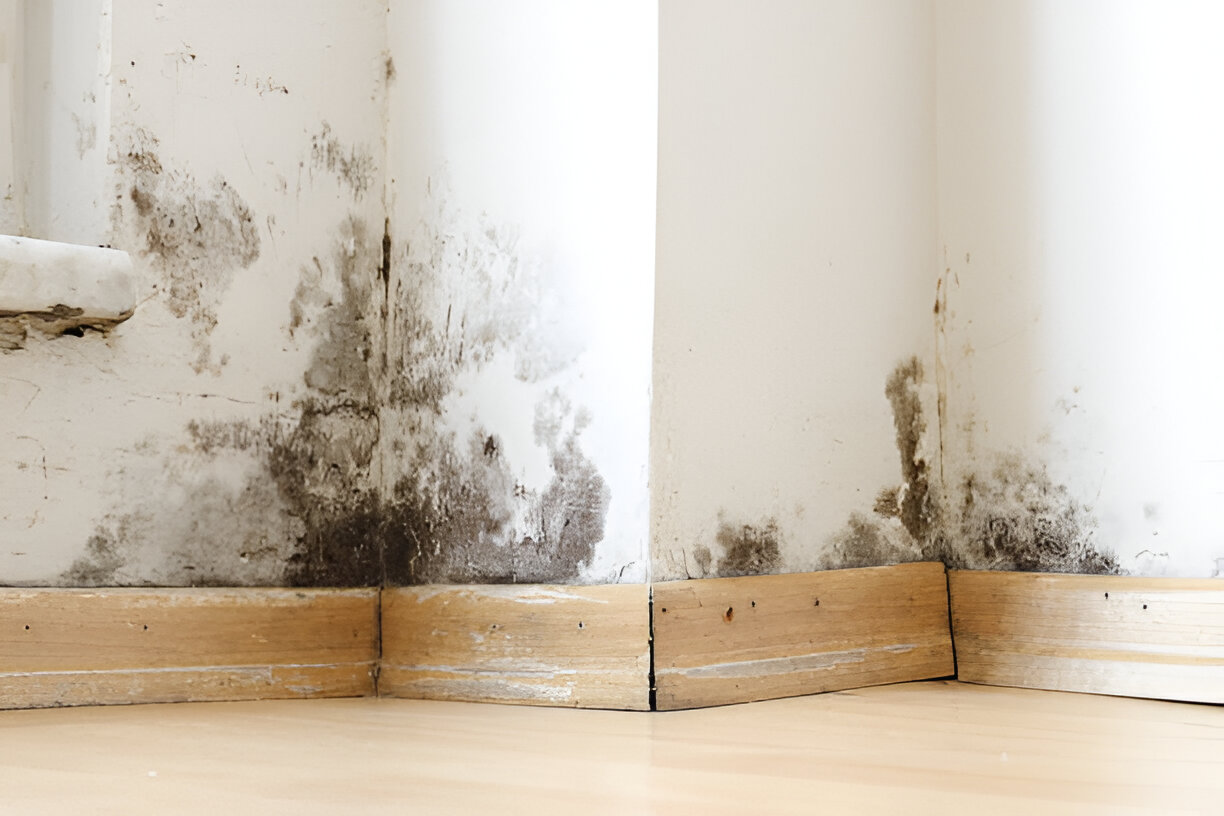
Your nose often catches mold before your eyes do. Watch for a persistent, musty odor with no clear source. Look for fuzzy or speckled discoloration in black, green, white, or gray on walls, ceilings, and floors. Structural clues matter too: warped surfaces, soft spots, and paint that bubbles or peels all suggest moisture and possible mold underneath. If you had a leak weeks ago in your San Diego home, these signs are worth a closer look.
Is Mold From Water Damage Dangerous?
For many people, mold is more nuisance than emergency, but it is not harmless. Per CDC guidance on mold, exposure to damp, moldy spaces can cause stuffy noses, wheezing, and itchy eyes. People with asthma or mold allergies can react more strongly, and children and older adults tend to be more sensitive. That is why larger or hidden mold problems deserve attention rather than being lived with.
How Mold Is Removed After Water Damage
Treatment depends on how far the mold has spread. Per the EPA’s guide to mold cleanup, small areas of surface mold on hard materials can be scrubbed with detergent and water, then dried completely. Porous items like soaked drywall, carpet, and ceiling tiles often cannot be saved and need removal. A professional contains the area first, so spores do not travel to clean rooms, then removes affected materials and dries the structure to a safe moisture level.
How to Prevent Mold After Water Damage
Prevention comes down to speed and dryness. Fix the leak or water source first, since mold returns if moisture lingers. Dry wet materials within 24 to 48 hours using fans and dehumidifiers, which matter even more in humid coastal air. Pull up soaked carpet and check behind baseboards and under flooring. Keep San Diego homes ventilated and watch humidity levels. Many homeowners search Water Damage Restoration Near Me right after a leak, and that early call is what stops mold before it starts.
When to Call a Professional
Some jobs are bigger than a spray bottle. Call a pro when mold covers a large area, keeps returning, sits on porous materials, or hides inside walls or your HVAC system. The same goes for any mold tied to sewage or contaminated water. A professional finds the moisture you cannot see, removes the mold safely, and fixes the source so it does not return to your San Diego home.
Frequently Asked Questions
1.How long after water damage does mold grow?
2.Does coastal humidity make mold worse?
3.Is mold from water damage dangerous?
4.Can I remove mold after water damage myself?
Mold Taking Hold in Your San Diego Home?
Mold after water damage is common along the coast, but it is manageable when you act early. Find the moisture, dry the space fast, and watch for the warning signs.
When the mold is more than a small spot, our team for Mold Damage Restoration in San Diego at Vista Flood Restoration finds the hidden moisture, removes the mold safely, and dries your home so it does not come back. We help San Diego homeowners protect their homes and their health.
